The Complete Guide to WPC Doors: Benefits & Installation
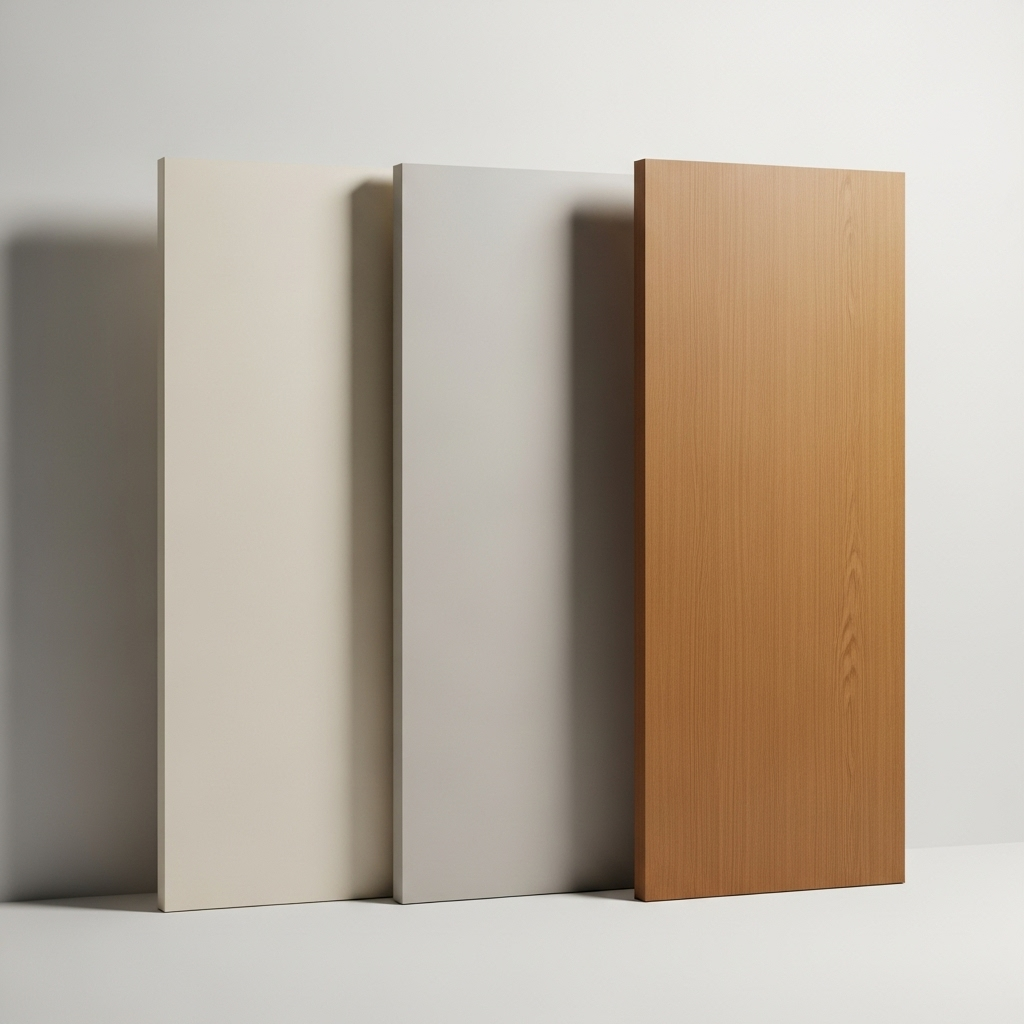
For decades, the construction industry accepted a frustrating compromise: we loved the look of natural wood, but we hated the inevitable maintenance. Doors would swell during the monsoons, warp in the summer heat, and eventually fall prey to termites. Wood Plastic Composite (WPC) has fundamentally changed this reality.
The Anatomy of a WPC Door
WPC is exactly what it sounds like—a highly engineered hybrid. By taking fine wood fibers and binding them with high-density thermoplastics under extreme heat and pressure, we create a material that refuses to compromise. It has the weight, feel, and workability of wood, but the impenetrable armor of a polymer.
This isn't just mixing sawdust and plastic. It is a precise matrix that ensures the final product will not expand or contract when the humidity fluctuates. For architects and homeowners alike, this means a door that fits its frame perfectly on day one, and day ten thousand.
The Non-Negotiable Benefits
1. Absolute Moisture Immunity
Traditional wooden bathroom doors inevitably rot from the bottom up. Because the polymer matrix in WPC encapsulates the wood fibers entirely, water cannot penetrate the surface. You can literally hose a WPC door down, making it the ultimate solution for bathrooms, kitchens, and exterior facing areas.
2. The End of the Termite Threat
Termites are a silent, expensive nightmare for property owners. Because WPC lacks the continuous cellulose structure that insects feed on, it is inherently termite-proof. No chemical sprays, no toxic treatments—just total peace of mind.
3. Acoustic and Thermal Insulation
Thanks to its dense core and engineered structure, WPC provides excellent sound dampening. Whether it's keeping street noise out of a bedroom or maintaining privacy in a corporate boardroom, the material acts as a natural acoustic barrier.
Installation: Familiar Yet Superior
One of the greatest advantages of WPC is that carpenters don't need to learn a new trade. WPC doors can be cut, routed, and drilled using standard woodworking tools. However, because they are significantly denser than cheap hollow-core doors, they offer exceptional screw-holding capacity.
When hanging a WPC door, the hinges grip tighter and stay secure longer, preventing the dreaded "door sag" that plagues heavy wooden doors over time.
The Bottom Line
Choosing a door is no longer about picking the lesser of two evils. WPC doors offer the warmth and aesthetic appeal of traditional timber, but engineer away all of its flaws. It is simply a smarter way to build.